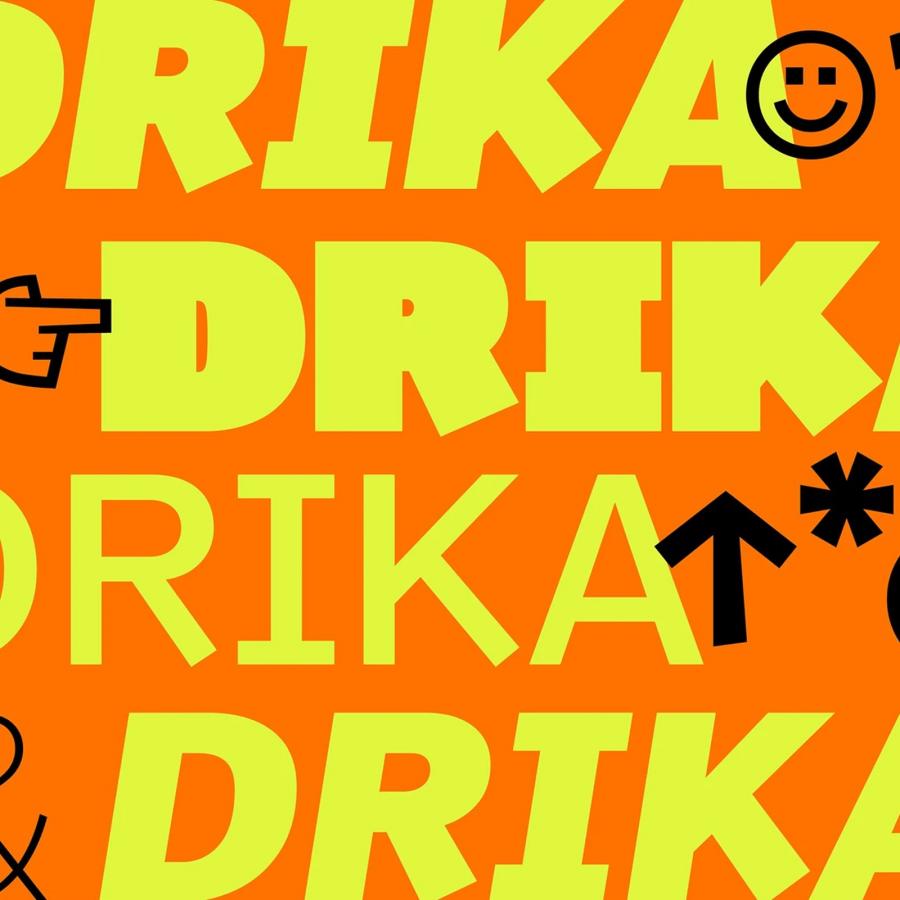
Drika Typeface: A 14-Weight Expressive Sans Built to Collide
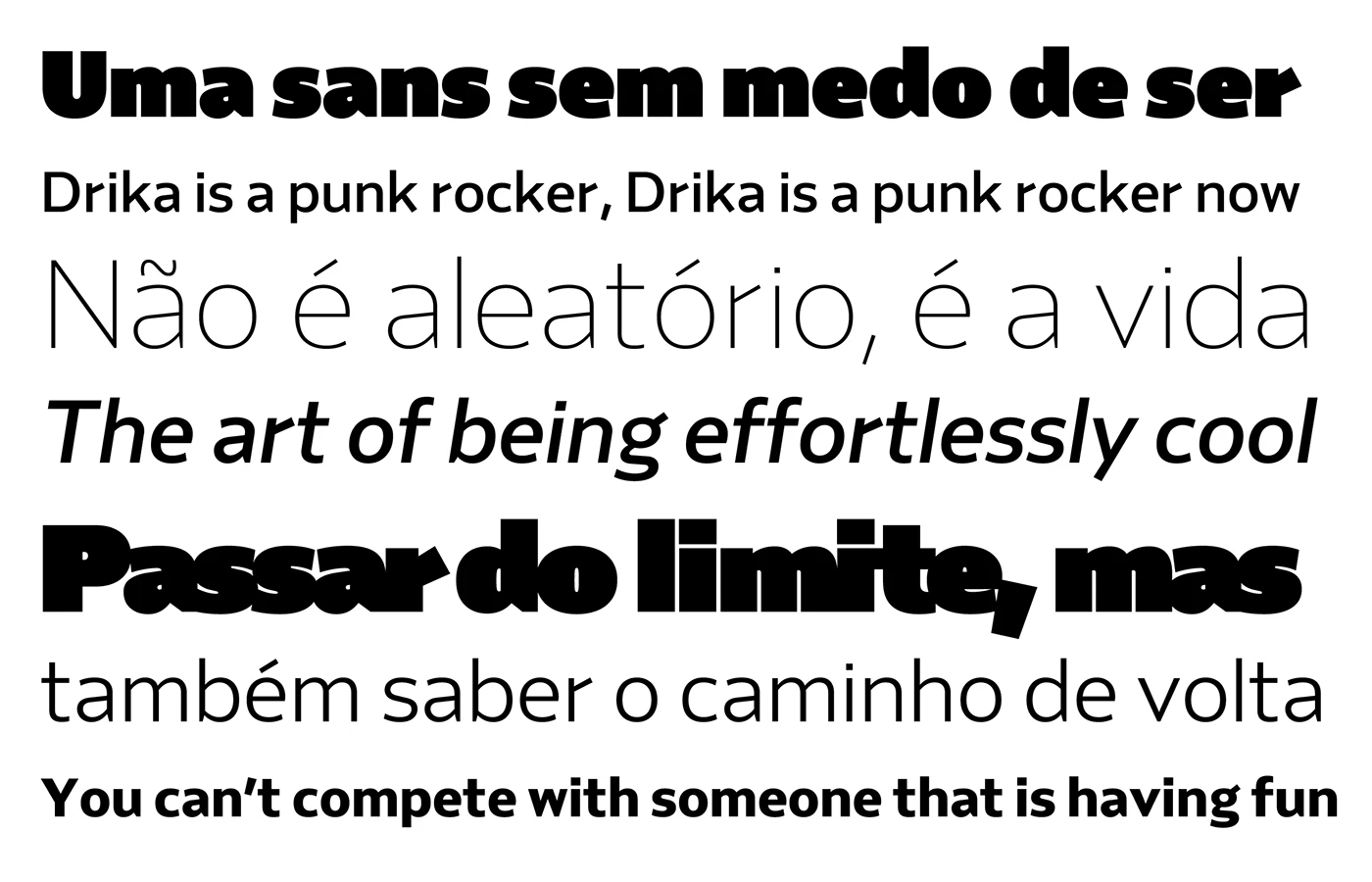
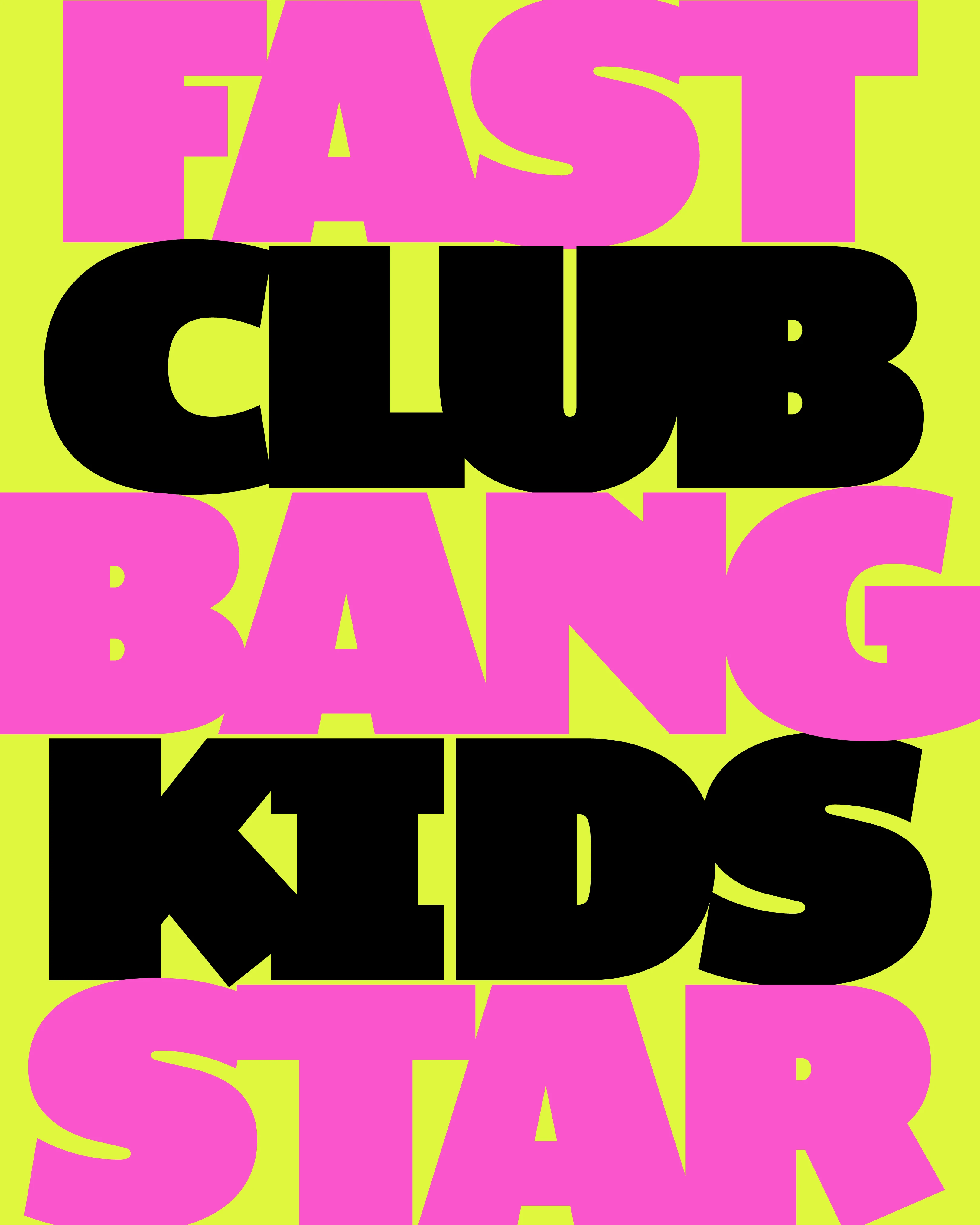
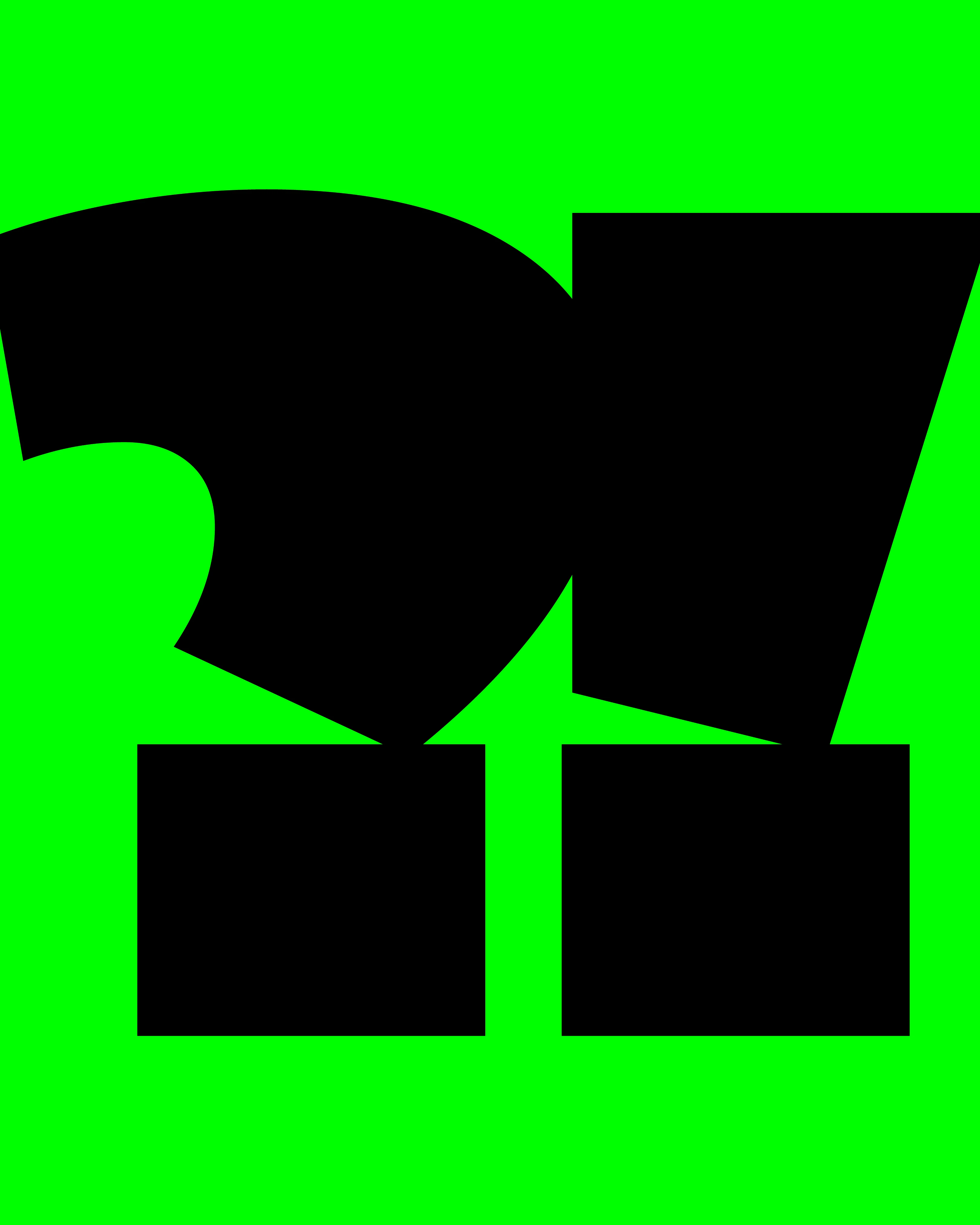
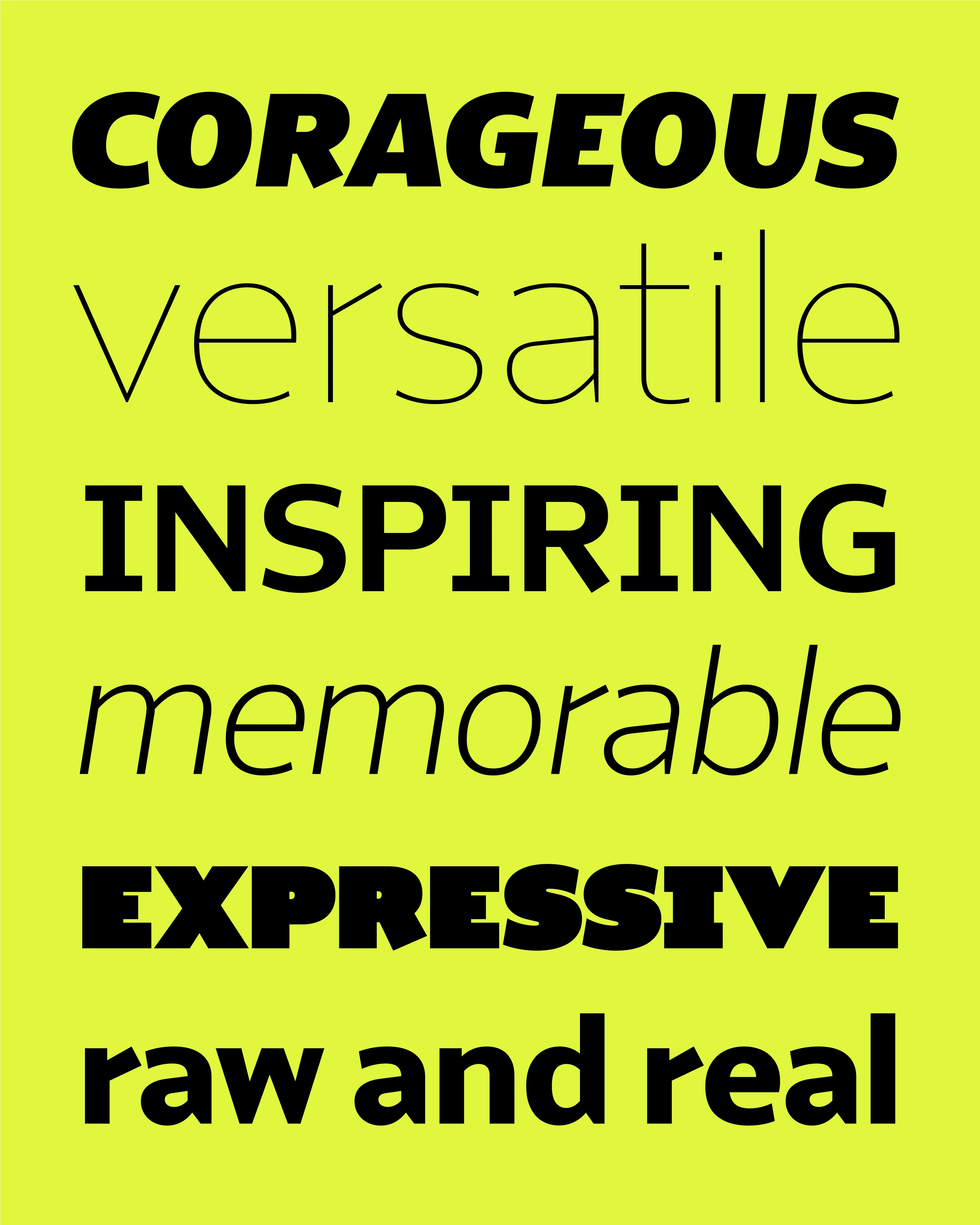
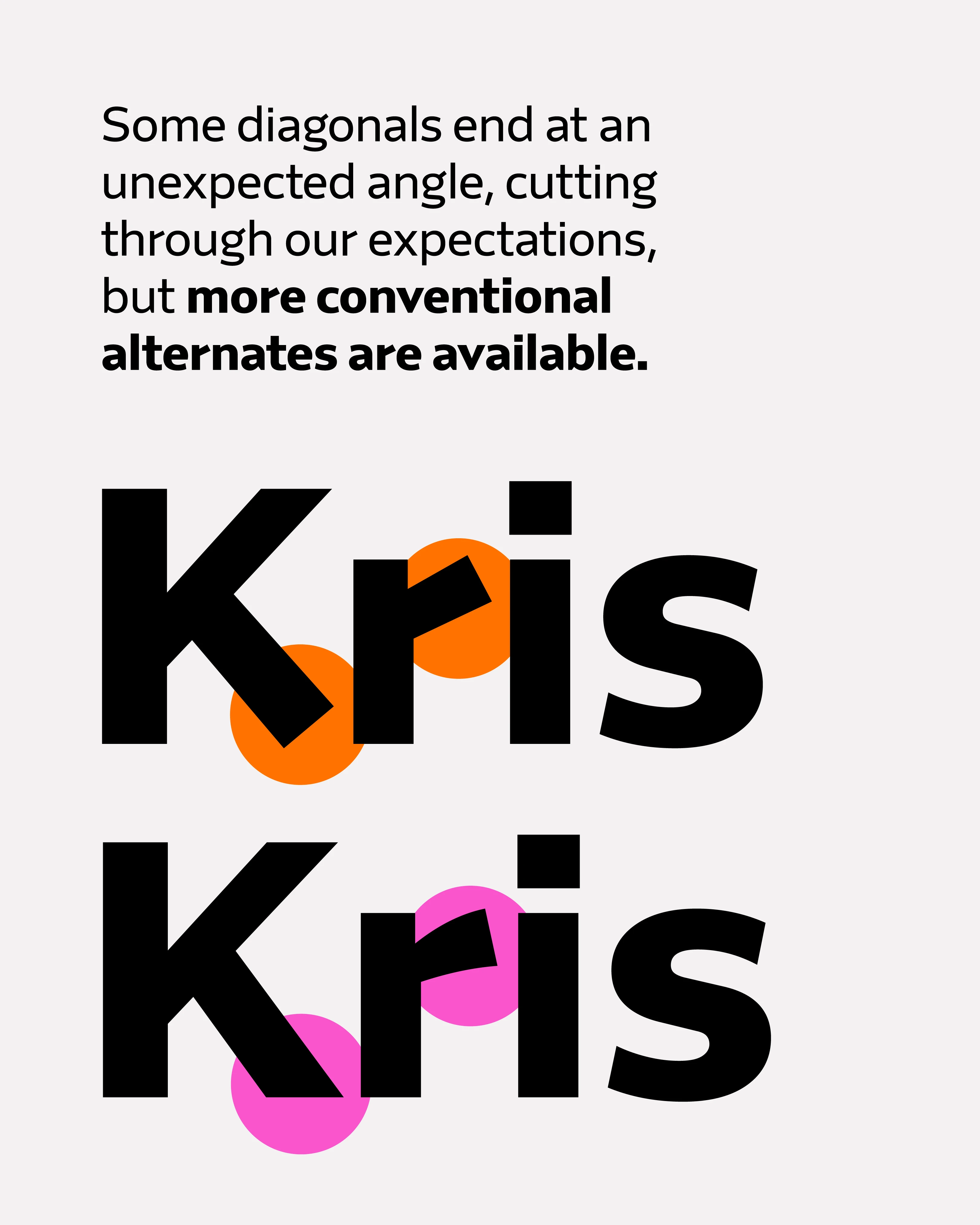
The name is spelled with a k — a small insistence that sets the whole tone. Ana Laydner built this Drika typeface across 14 weights, from a hairline thin enough to read as negative space to an extra-bold that registers as mass before it registers as type. The letterforms don't hold their distance. They overlap — sometimes barely, a shared edge between two glyphs; sometimes decisively, one form pushing into the other's space. At the lightest weights the overlapping letterforms feel like proximity, two letters leaning close without breaking form. At the heaviest, the collision is full and direct. The structure holds across both ends of that range without becoming a different typeface at either extreme.

Drika Typeface: 14 Weights That Cover Every Register
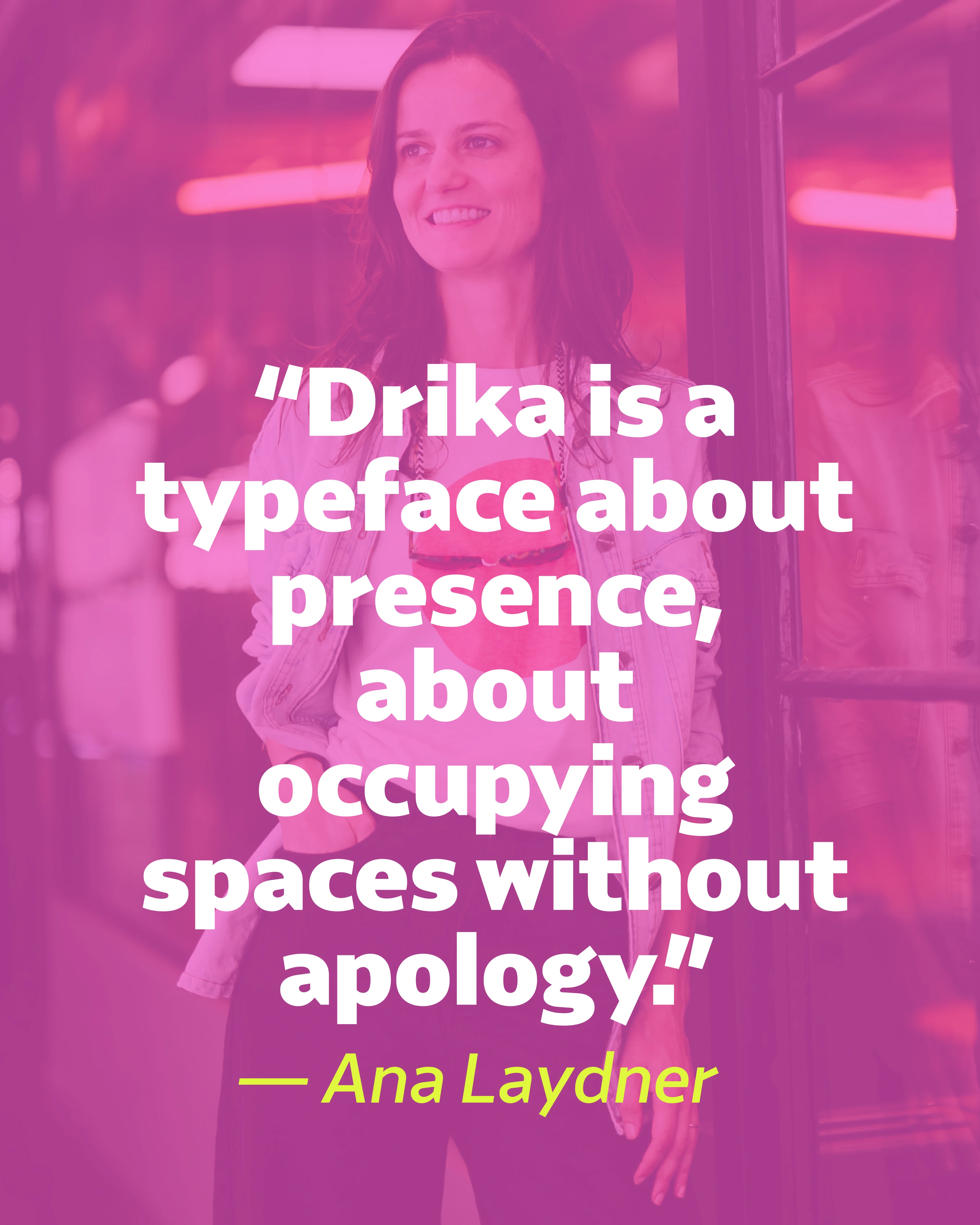
Fabio Haag Type placed the Drika typeface in their exclusive library, which carries some of the most considered type coming out of Brazil. The foundry doesn't collect faces for novelty — each one has to work across actual design conditions, from editorial caption to large-format headline. Drika earns that position through a specific character: a raw, unguarded aesthetic that doesn't smooth over the places where letters meet. That directness is what editorial design and brand identity need when neutrality reads as absence. Set at display scale, it commands the space. Set smaller, it holds presence without demanding it.
Laydner designed the Drika typeface as a Brazilian expressive sans with enough range to cover what demanding design applications require — editorial, identity, poster, brand system. The overlapping forms aren't incidental; they're the answer to how a typeface should behave when working at full force. With 14 weights, that force is calibrated precisely from whisper to shout.